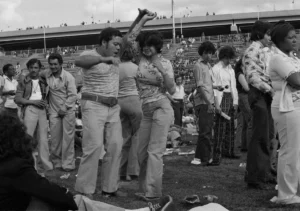
The origin of Salsa in the Bronx
Salsa music developed in the late 1960s and early 1970s in New York City, specifically in the South Bronx. Immigrants from Puerto Rico and the Caribbean came to NYC and brought with them their various musical traditions (including Afro-Cuban rhythms) and blended those with jazz and urban life. Thus, it is through the Bronx that many of these musical influences were merged together and then disseminated throughout the community.
From the Bronx to the World
The decline of mambo led to salsa spreading throughout community-based space. As one source states “the music spilled out of neighborhood clubs – often Puerto Rican ones – in the South Bronx and East Harlem.” Neighborhood clubs provided a way for salsa to develop in Latino communities before moving outward in NY City and eventually globally. Large concerts also contributed to the popularization of salsa. A specific instance is a concert held in 1973 at Yankee Stadium “…which solidified salsa as a transnational phenomenon.”
Important figures in salsa
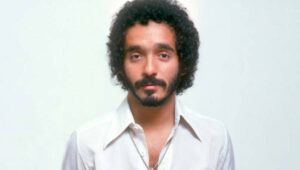 Willie Colón – born and raised in the Bronx, his music reflected the experiences of Latino communities in the area
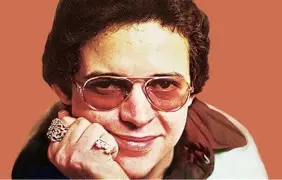 Hector Lavoe – worked closely with Colón and became one of the most important voices in salsa
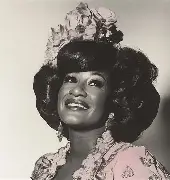 Celia Cruz – performed in New York and helped bring Afro-Cuban rhythms into salsa
Important Places
Salsa music developed specifically in areas where people could gather, listen to the music, and then dance to it.
Some specific places in the Bronx are:
Hunts Point Palace located at Southern Boulevard. It is noted that this was one of the larger venues in the Bronx and held large events. Quote: “one of the largest venues in the Bronx, with capacity for 2500 people.”
Caravana Club located on 149th Street. This was an established dance venue where Latin music was performed frequently. Quote: “one of the most significant dance venues in the Latin Music Scene”
Teatro Puerto Rico located at 138th Street. Teatro Puerto Rico represented a main cultural site for many of the Puerto Rican communities in the Bronx. Quote: “was a part of the Puerto Rican soul and also the largest art center.
Willie Colon’s “Che Che Cole” (Colón and Lavoe) with Willie Colon is another classic example of a very popular salsa song that can be associated directly with the Bronx. Willie Colon grew up in the Bronx and as such he was an important figure for creating the Salsa Sound in the late 1960s. The song has been played consistently in many Latino Communities and will be remembered for being one of the first examples of the development of Salsa music in New York.

This entry is licensed under a Creative Commons Attribution-NonCommercial-ShareAlike 4.0 International license.

