
Salsa provided a rhythm and music that we could live by…It was the essence of the Latino soul.
– Izzy Sanabria, publisher of latin music
From New York to the World
We cannot look at how Salsa arrived to New York without acknowledging the mambo craze and Puerto Rican migration that made it possible. These two elements in conjunction provided the perfect breeding ground for Salsa in Manhattan, where it then spread to the rest of the world.
To understand the origins of salsa, one needs to understand the “mambo craze” as Salsa evolved from mambo. According to Iván Román, writer for History.com, Mambo’s “pulsating drums” and “blasting trumpets” shattered race, ethnic and class barriers. The Palladium, located on the south side of East 14th street Manhattan, became the spot for popular bands to play mambo (Román). Though the mambo craze did wane after the closing of the Palladium in the 60’s, the crowd did not lose their love for the pulsating beats. And when the Puerto Ricans began migrating to New York in the 60’s and 70’s, the pulsating beats in Salsa became a way for them to retain the cultural identity they left behind in Puerto Rico.
Salsa, like mambo, superseded cultural and ethnic boundaries. According to Jose Matosantos, author of the article “Between the Trumpet and the Bongo: A Puerto Rican Hybrid”, salsa forged a “common ground between Puerto Ricans of different political and cultural denominations” (2). Thus, salsa became a unifying force in Puerto Rican culture, with popular signers like Hector Lavoe, Willie Colon and Frankie Ruiz becoming the face of salsa. But it also became important in ethnically diverse New York.
In a sense, there was a “salsa craze” in New York City. In his article for History.com, Román describes how the record label hosted several famous singers such as Celia Cruz, Ray Barreto and Bobby Valentin in bigger and bigger stadiums. From jam-packing Manhattan’s Cheetah Club in 1971, to filling Yankee stadium in 1973, the size of the concerts seemed to grow in conjunction with salsa’s increasing popularity. Salsa could not be contained to one region and became a worldwide phenomenon. The pulsating beats and social commentary have continued to resonate with many people all around the world (Matosantos 2).
Influential Artists
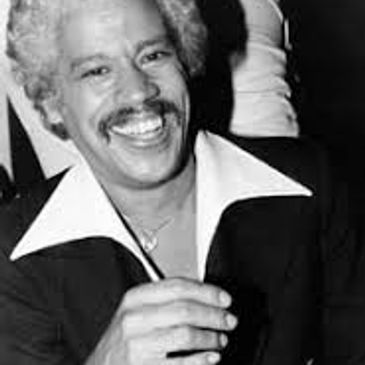
JOHNNY PACHECO
Johnny Pacheco, also known as “El Maestro,” was a Latin Music legend. Pacheco co-founded the record label “Fania”, which was responsible for globalizing salsa. Pacheco did not only promote music, but was also a very successful composer, producer and band leader.
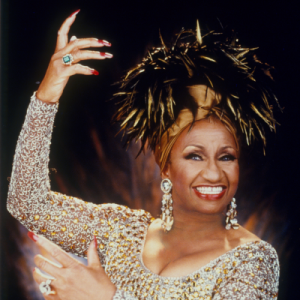
CELIA CRUZ
Celia Cruz, also known as the “Queen of Salsa”, was a part of Fania Records “All Stars” group. Celia Cruz was and singer and performer who was instrumental to the popularization of salsa.
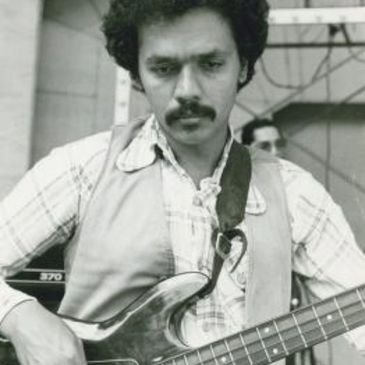
BOBBY VALENTIN
Bobby Valentin was a very talented musician, composer and entrepreneur. He was crucial in the development of salsa and produced many famous songs such as “Soy Boricua” and “El Muñeco de la Ciudad”.

This entry is licensed under a Creative Commons Attribution-NonCommercial-ShareAlike 4.0 International license.

